2026-11-12 ·
DIY vs. Professional Water Damage Repair: When to Call for Help in Spring
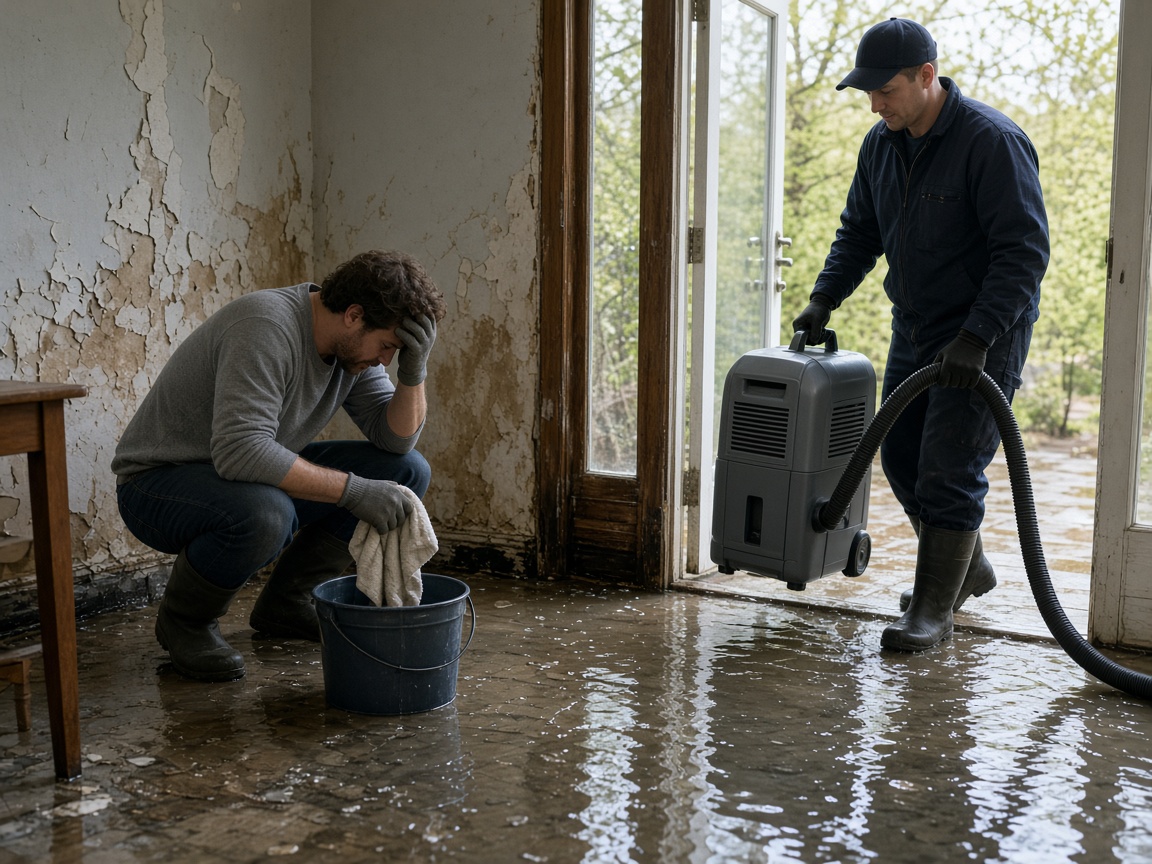
For minor water intrusions in your Spring home, like a small spill from an overflowing sink that's contained to a hard surface, DIY efforts might be sufficient if addressed immediately—within 24 hours. However, for anything more substantial, such as a burst pipe, a leaking roof during a heavy rainstorm, or water seeping in from the humid subtropical climate that's common in Harris County, professional <a href="/services/water-damage-restoration">water damage restoration</a> is almost always necessary. Professionals can properly assess the extent of the damage, including hidden moisture, and prevent long-term issues like mold growth, which is a significant concern in our hot, humid Spring summers. Attempting to tackle larger water damage events yourself can lead to incomplete drying, structural problems, and costly secondary damage down the line, often turning a potentially manageable situation into a much larger, more expensive headache.
Understanding the Scope of Water Damage
The first step in deciding on DIY versus professional help is accurately assessing the scope of the water damage. A small puddle from an ice maker line that's quickly wiped up is very different from water that has wicked up drywall or seeped under flooring. In older homes common in areas like Old Town Spring, even a seemingly small leak can quickly compromise aged wood structures or plaster, which are more susceptible to water absorption than modern building materials. Consider the source of the water: clean water from a supply line is less hazardous than contaminated water from a sewage backup. The quantity of water and the duration of exposure are also critical factors. If water has been present for more than 24–48 hours, the risk of mold growth increases dramatically, especially in our warm, humid environment.
When DIY Water Cleanup is Possible
DIY water cleanup is generally limited to Category 1 (clean water) events that are small in scale and addressed immediately. Think of a knocked-over bucket, a minor appliance leak contained to a small, hard-surface area, or a small overflow that hasn't penetrated porous materials. For these situations, you'll need basic tools: towels, buckets, mops, a wet/dry vacuum, and fans. The key is swift action. Extract as much water as possible, thoroughly dry the area, and ensure good air circulation. Open windows if the outdoor humidity isn't too high—which, during our hot Spring summers, might mean relying more on air conditioning and dehumidifiers indoors. Always confirm that all surfaces are completely dry to the touch, and check for any lingering dampness behind baseboards or under rugs, as even minor residual moisture can lead to problems.
Signs You Need Professional Water Damage Restoration
Knowing when to call in the experts can save you significant time, money, and stress. Here are clear indicators that professional <a href="/services/emergency-water-removal">emergency water removal</a> is warranted in your Spring home:
- Large Volume of Water: If you're dealing with inches of water, whether from a burst pipe or heavy rainfall, it's beyond DIY capabilities. This requires specialized equipment for efficient extraction and structural drying.
- Contaminated Water: Water from sewage backups, overflowing toilets (especially with waste), or floodwaters from Spring Creek Greenway carries bacteria and pathogens. This 'black water' poses serious health risks and requires professional handling and sanitization.
- Water from Unknown Source: If you can't identify where the water is coming from, or if it's coming from a hidden leak within walls or ceilings, professionals can use moisture meters and thermal imaging to locate the source and hidden damage.
- Prolonged Exposure: If water has been standing for more than 24–48 hours, the risk of mold and structural damage escalates dramatically. Our humid Spring climate accelerates this process, making professional intervention crucial.
- Damage to Porous Materials: Water saturating drywall, insulation, carpeting, or hardwood floors requires specific drying techniques and often removal to prevent mold and structural compromise. Simply fanning these areas won't be enough.