2026-11-12 ·
Spring, TX Homeowner's Guide to Flood Zones and Insurance
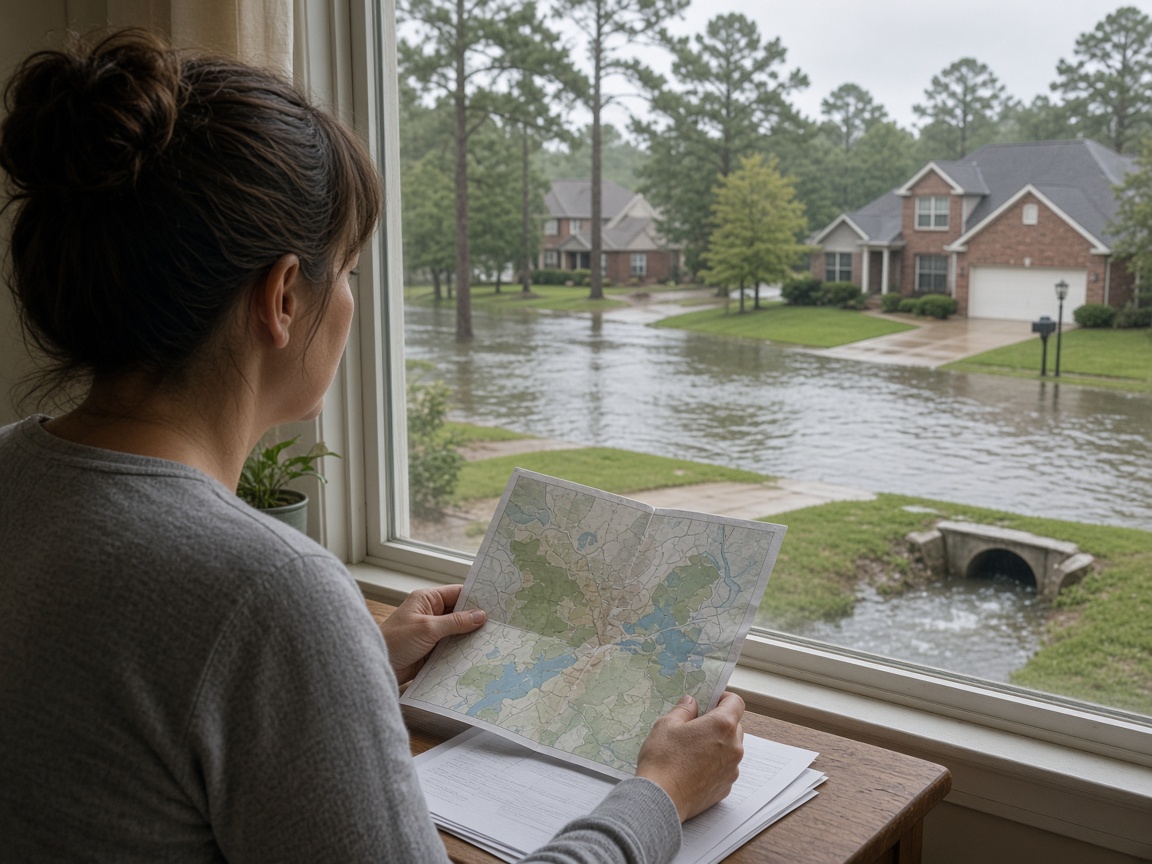
Navigating flood zones and securing appropriate insurance in Spring, TX, is a critical step for homeowners, especially given our region's humid subtropical climate and susceptibility to heavy rainfall events. While no home is entirely immune from water damage, understanding your property's specific flood risk, as determined by FEMA flood maps, is the first line of defense. Most homeowners insurance policies do not cover flood damage; a separate flood insurance policy, often through the National Flood Insurance Program (NFIP), is typically required. Costs for flood insurance can vary widely, from around $700 to $2,000+ annually, depending on your property's flood zone designation, elevation, and deductible choices. For properties in higher-risk zones, such as AE or AO, premiums will naturally be on the higher end, reflecting the increased likelihood of a flood event. Even homes outside of designated high-risk areas, in zones like X, can experience significant flooding, as many residents in areas like Old Town Spring and Spring Creek Oaks have unfortunately discovered during past storm events.
Understanding Spring's Flood Risk Landscape
Spring, Texas, situated in Harris County, experiences a humid subtropical climate characterized by hot, humid summers and mild winters. This climate brings with it a significant risk of heavy rainfall, often exacerbated by tropical storms and hurricanes moving inland from the Gulf of Mexico. Our flat terrain, particularly around natural waterways like Spring Creek Greenway, means that water can accumulate quickly and drain slowly, increasing the likelihood of localized flooding even outside of major storm events. Developments in areas like Imperial Oaks have seen increased impervious surfaces, which can alter historical drainage patterns and contribute to flash flooding. Homeowners in Spring need to be acutely aware that flood events are not just a coastal issue; inland flooding from heavy rains is a very real and recurring threat, impacting everything from foundations to basements and crawl spaces, which are common in older homes here. Understanding these local conditions is key to proactively protecting your property from water damage.
Decoding FEMA Flood Zone Maps for Spring
The Federal Emergency Management Agency (FEMA) creates detailed flood insurance rate maps (FIRMs) that designate specific flood zones, indicating the level of flood risk for individual properties. For Spring residents, knowing your flood zone is paramount. You can easily check your property's flood zone by visiting the FEMA Flood Map Service Center website and entering your address. The most common zones you'll encounter in Spring include:
- Zone A or AE: These are high-risk areas with a 1% annual chance of flooding, also known as the 100-year flood plain. Properties in these zones often require flood insurance if they have a federally backed mortgage.
- Zone AO: Areas with a 1% annual chance of shallow flooding, typically due to sheet flow or ponding, with average depths between 1 and 3 feet.
- Zone X (or X500): These are moderate-to-low risk areas. Zone X (shaded) indicates areas with a 0.2% annual chance of flooding (500-year flood plain) or areas protected by levees. Zone X (unshaded) represents areas determined to be outside the 500-year flood plain and outside the 100-year flood plain. While flood insurance is not federally mandated in Zone X, it is highly recommended, as a significant percentage of flood claims originate from these supposedly lower-risk areas. Many homes in Spring, including those in newer developments, fall into Zone X, yet s
The Importance of Flood Insurance in Spring, TX
As mentioned, standard homeowners insurance policies typically exclude damage caused by flooding. This means if your home in Spring Creek Oaks or near the Old Town Spring Historic District is inundated by rising waters from heavy rains, a burst pipe from a winter freeze, or an overflowing creek, your standard policy will likely offer no protection for the resulting damage. Flood insurance, primarily available through the National Flood Insurance Program (NFIP), provides this crucial coverage. Even if your mortgage lender doesn't require it, purchasing flood insurance is a wise investment for any homeowner in our region. The costs associated with water damage restoration can be substantial, often ranging from $3,000 to $15,000+ for a moderate event, and significantly higher for severe flooding. Without flood insurance, you would be solely responsible for these expenses, which can be financially devastating. For a deeper dive into potential costs, you might find our article on The Cost of Water Damage Restoration in Spring, Texas: What to Expect helpful.
Understanding NFIP Policies and Coverage
The NFIP offers two main types of coverage: Building Coverage and Contents Coverage. Building Coverage protects the physical structure of your home, including the foundation, walls, electrical and plumbing systems, furnaces, water heaters, and attached appliances. This can be crucial in Spring, where older homes may have original plumbing systems susceptible to issues. Contents Coverage, on the other hand, protects your personal belongings like furniture, clothing, electronics, and other valuables. It's important to note that there are limits to NFIP coverage: Building Coverage is capped at $250,000, and Contents Coverage at $100,000. These limits may not be sufficient for all homes, especially larger or more extensively furnished properties. Private flood insurance options are also available and can offer higher coverage limits or different policy structures, which might be a better fit for some Spring homeowners, particularly those in higher-value homes in areas like Imperial Oaks. Understanding these options is vital to ensuring your property is adequately protected from the unique water challenges faced in Harris County.
Mitigating Flood Risk and Preparing for the Worst
Beyond insurance, there are proactive steps Spring homeowners can take to mitigate flood risk. Elevating utilities like water heaters and electrical panels, installing backflow valves on sewer lines, and ensuring proper grading around your home can significantly reduce potential damage. For homes with crawl spaces, ensuring adequate drainage and considering encapsulation can prevent moisture issues. During heavy rain events, especially when severe weather warnings are issued for Houston, The Woodlands, or Conroe, it's wise to move valuable belongings to higher floors. Having an emergency plan in place, including knowing how to shut off your home's main water supply and electricity, is also crucial. If your home does experience flooding, acting quickly is paramount. For immediate concerns like a significant influx of water, professional Emergency Water Removal services can prevent further damage and mold growth. Remember, even a few inches of standing water can cause extensive structural damage and create an environment ripe for mold within 24-48 hours.