2026-11-12 ·
Preventing Water Damage During Hurricane Season in Spring, TX
Preventing water damage during hurricane season in Spring, TX, primarily involves securing your home's exterior, ensuring proper drainage, and preparing for potential power outages. Our humid subtropical climate, especially from June through November, means we regularly face intense downpours and tropical systems that can overwhelm even well-maintained properties. Homes throughout areas like Old Town Spring and Spring Creek Oaks, many of which were built decades ago, are particularly susceptible to issues like compromised roofing, clogged gutters, and foundation leaks if not properly prepared. Taking these steps can significantly reduce the likelihood of needing extensive <a href="/services/water-damage-restoration">water damage restoration</a> after a storm.
Understanding Spring's Hurricane Risks
Spring, located in Harris County, is no stranger to the impacts of hurricanes and tropical storms. While we may not always experience a direct landfall, the sheer volume of rainfall from these systems can cause widespread flooding. The flat terrain leading towards the Gulf Coast, combined with our dense clay soils, means water often drains slowly, pooling around foundations and in yards. This is especially true near natural features like the Spring Creek Greenway, where water levels can rise rapidly. Homeowners in Imperial Oaks and other low-lying areas must be acutely aware of these conditions. The intense humidity also means that any water intrusion, if not addressed quickly, can lead to secondary issues like mold growth, compounding the damage.
Exterior Home Protection Strategies
Securing the exterior of your home is your first line of defense against hurricane-related water damage. Start with your roof: inspect for loose or missing shingles, especially around eaves and vents. A compromised roof is an open invitation for water to seep into your attic and ceilings. Trim any tree branches that overhang your roof or could fall onto your house during high winds; even a small branch can puncture a roof and allow water in. Ensure all windows and doors are properly sealed. For older homes, consider adding storm shutters or plywood covers for extra protection against wind-driven rain and debris. These measures are vital for preventing water from entering your living spaces.
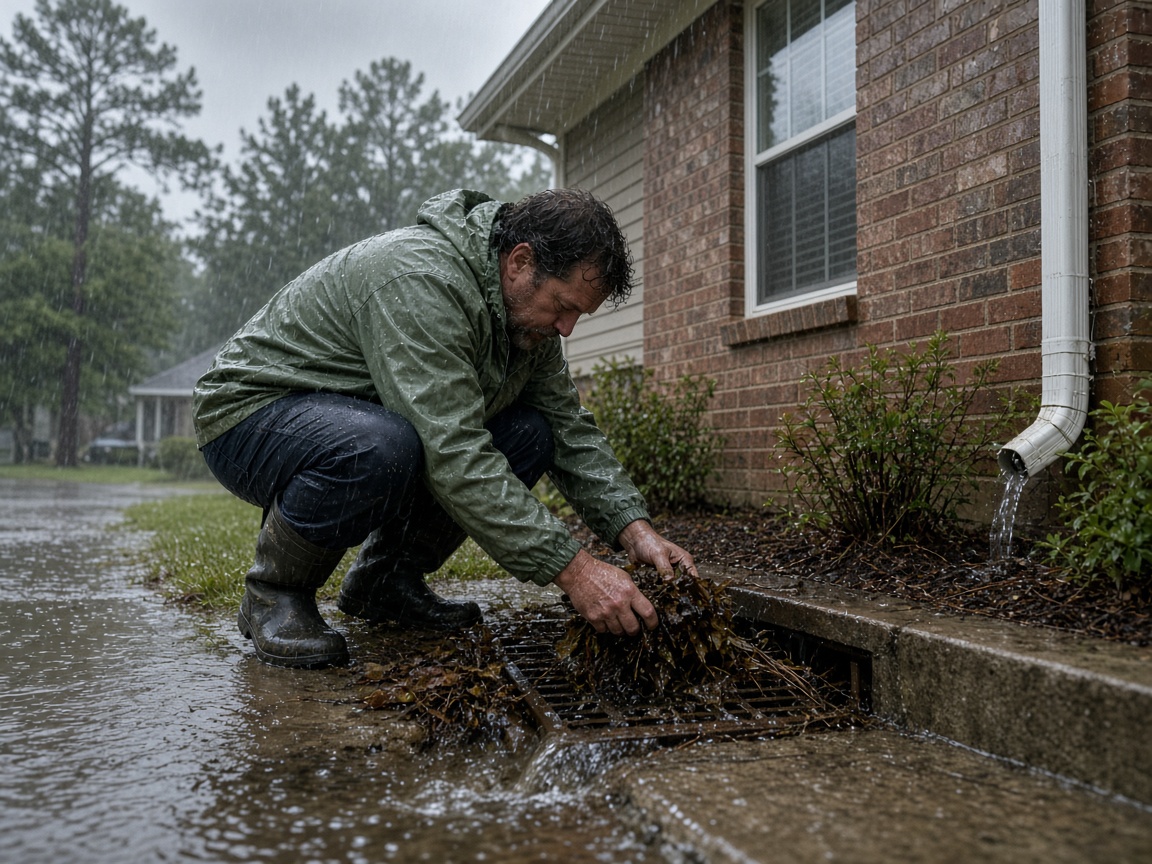
Gutters and downspouts are critical for directing rainwater away from your foundation. Clogged gutters will overflow, dumping water directly against your home's exterior walls and potentially into your basement or crawl space. Clean them regularly, especially before and during hurricane season. Extend downspouts at least 5 feet away from your foundation to ensure water drains effectively. For homes with flat roofs or low-slope sections, verify that drains are clear and functioning correctly. Proper drainage is essential to prevent water from pooling around your foundation, which can lead to structural issues over time.
Interior Preparations and Emergency Planning
Inside your home, preparation focuses on minimizing damage if water does get in and ensuring your family's safety. Move valuables and important documents to higher floors or secure, waterproof containers. Unplug electronics to protect them from power surges and potential water damage. Have an emergency kit ready, including bottled water, non-perishable food, flashlights, batteries, and a first-aid kit. Given our proximity to Houston, The Woodlands, and Conroe, local emergency services can become stretched during major events, so being self-sufficient for a few days is wise. Knowing when to call for <a href="/services/emergency-water-removal">emergency water removal</a> is also crucial; don't wait until the damage is extensive.
Consider installing a backwater valve on your sewer line if your home is prone to sewage backups during heavy rainfall. This can prevent municipal sewer systems from overflowing into your home, a particularly unpleasant form of water damage. For homes with basements or crawl spaces, a sump pump with a battery backup is a valuable investment, especially if you experience frequent power outages. These devices can automatically pump out accumulating water, preventing significant flooding. For more insights into dealing with various water issues, you might find our article on <a href="/blog/diy-vs-professional-water-damage-repair-when-to-call-for-help-in-spring">DIY vs. Professional Water Damage Repair: When to Call for Help in Spring</a> helpful.
Post-Storm Actions and Professional Help
After a hurricane or severe tropical storm, assess your property for any signs of water intrusion. Even if you don't see obvious flooding, check for damp spots on walls, ceilings, and floors. The high humidity in Spring means that even small amounts of trapped moisture can quickly lead to mold growth if not addressed promptly. If you discover water damage, act quickly. Shut off your main water supply if the source is an internal pipe burst, and contact professionals immediately. Our team, based right here in Spring, is owner-operated and provides upfront quotes for <a href="/services/flood-cleanup">flood cleanup</a> and <a href="/services/structural-drying">structural drying</a>. We understand the unique challenges of water damage in Harris County and are committed to workmanship you can inspect.
Remember, while prevention is key, sometimes nature's force is overwhelming. When that happens, having a plan for rapid response is essential. Addressing water damage quickly not only limits the extent of the physical damage but also mitigates the risk of secondary issues like mold and structural compromise. Being prepared means you're not just protecting your property, but also your peace of mind during Spring's challenging hurricane season.